
EFM or leased line? EFM is being retired - here is what to buy instead
EFM was a sensible copper alternative to fibre. It no longer is. A like-for-like comparison with FTTP and leased lines, plus a migration checklist.
By the Telappliant team
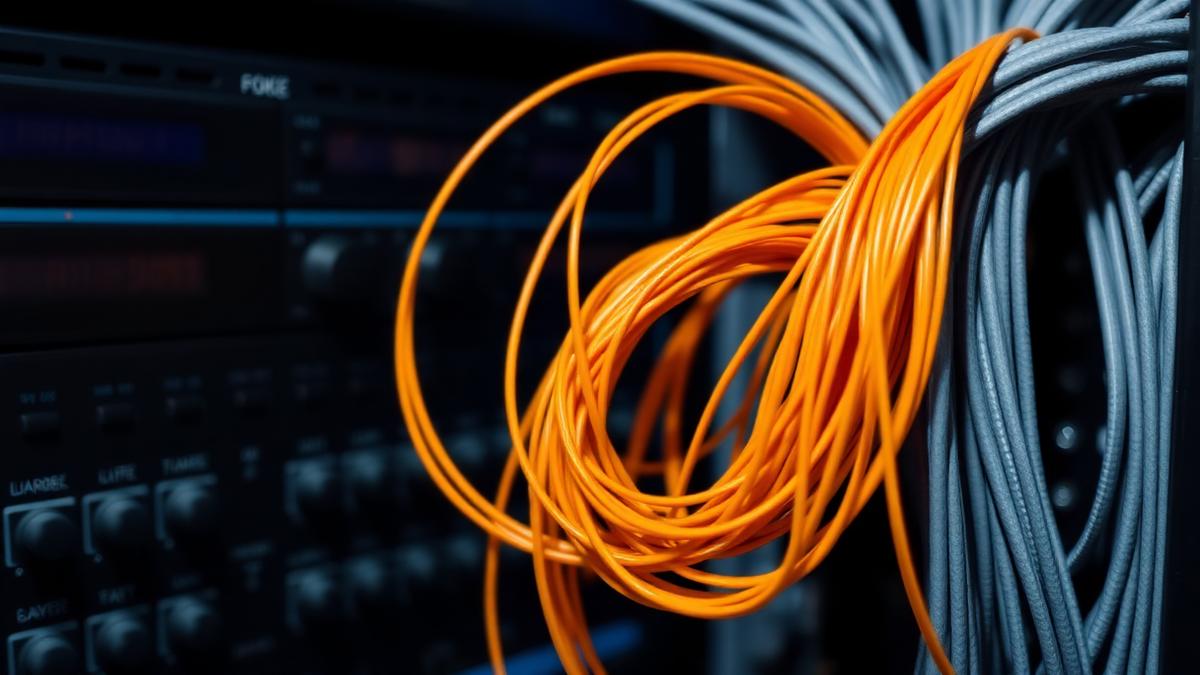
EFM was a genuinely useful product: guaranteed bandwidth over bonded copper, at a fraction of the cost of fibre, in places fibre had not reached. That argument no longer holds. Copper-based Ethernet services are being withdrawn as the network retires, and full fibre now covers most of the addresses EFM used to serve. If you are choosing today, the real comparison is FTTP against a fibre leased line.
Why EFM is no longer a live option
EFM depended on multiple copper pairs back to the exchange. Those copper products are being retired alongside the analogue network, availability has narrowed sharply, and providers have stopped taking new orders in most areas. Buying into a withdrawn technology means a forced migration inside the contract term, which is the most expensive way to change a circuit.
What replaces it
- FTTP on a business tariff: fast, widely available, best-efforts but with business support and, on some tariffs, symmetrical speeds
- A fibre leased line (dedicated internet access): symmetrical, uncontended, with a contracted fix time and service credits
- 5G fixed wireless: useful as a fast-to-deliver bridge or a diverse backup path, not usually a primary circuit for a busy site
How the replacement compares to EFM
EFM typically delivered 10 to 35Mbps symmetrical with an SLA. A modern leased line starts at 100Mbps symmetrical for a similar or lower monthly cost in most postcodes, with a better fix time. FTTP is cheaper still, though it is contended and its SLA is weaker. In other words, the trade-off EFM existed to solve has been solved by fibre availability.
Choosing between FTTP and a leased line
- Choose FTTP where an hour offline is inconvenient rather than costly, and budget matters more than guarantees
- Choose a leased line where the site trades over the connection, where you host anything on site, or where a contract commits you to a response time
- Choose a leased line where upload matters as much as download, because it is symmetrical by design
- Whichever you pick, cost a second, diverse circuit before you decide you cannot afford one
If you are still on EFM today
- Check the contract end date and any early-termination position now, before the provider gives you a migration date
- Check FTTP and leased-line availability at the address, including any excess construction charge for the leased line
- Order the replacement early: leased lines still take weeks to deliver, and longer where civils are needed
- Run both circuits in parallel over the cutover, then keep the old one only as long as the new one needs to prove itself
- Re-point any static IP dependencies, VPNs, firewall rules and DNS records before the switch, not on the day
The short answer
Do not buy EFM. If you have it, plan the move to fibre on your timetable rather than the network's. If you were comparing EFM and a leased line on price, the leased line has probably already won.
Next steps
Frequently asked questions
Was this article helpful?