
SIP trunks explained: when they are still the right answer
SIP keeps a capable on-premise phone system alive past the PSTN switch-off. How it works, what it costs, and when cloud is the better move.
By the Telappliant team
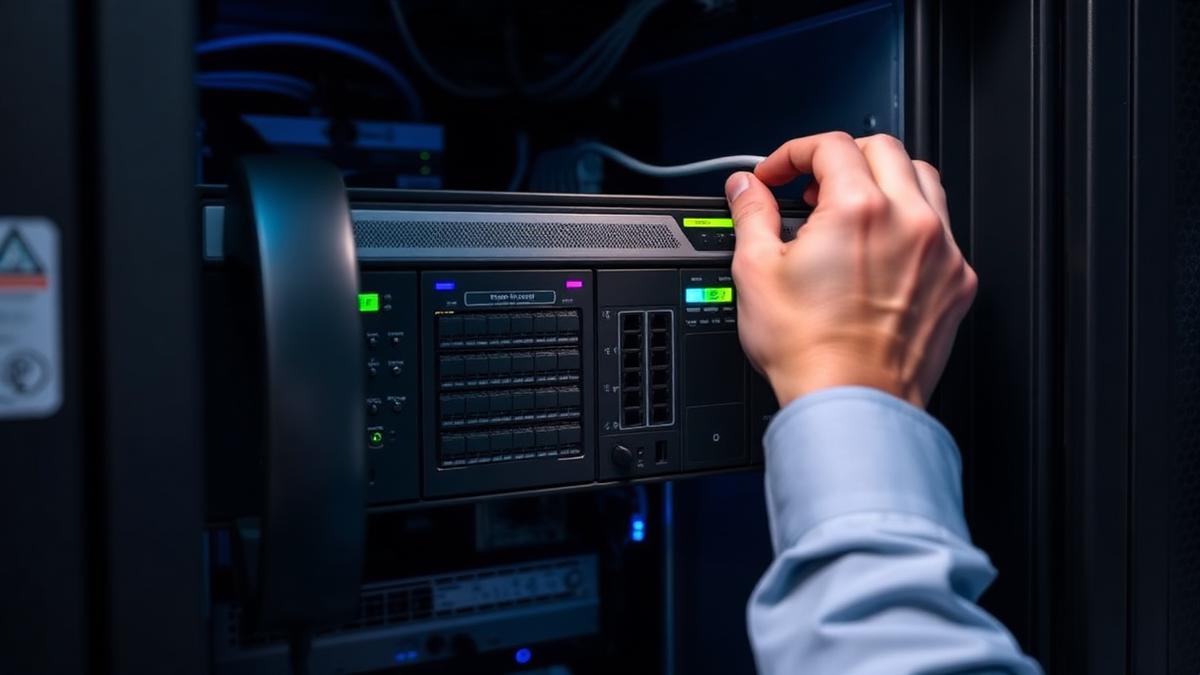
SIP trunking connects an existing phone system to the telephone network over your internet connection instead of over analogue or ISDN lines. With the analogue network being retired, it is the way to keep a capable on-premise system working, and it is not always the right answer.
What a SIP trunk is
It is a virtual line. Instead of physical circuits into the building, calls travel as IP traffic between your phone system and the provider. You buy channels for concurrent calls rather than lines, and you can add or remove them in days rather than weeks.
Why businesses still buy it
- The existing phone system is recent, works well and is not yet due for replacement
- Call flows, contact centre logic or integrations would be expensive to rebuild
- A site has a specific requirement, such as local hardware for paging, intercom or emergency systems
- It is a controlled step: change the lines now, change the platform later
What it changes on cost
SIP removes line rental and usually reduces call costs, and channels flex with demand. Against that, you still pay for the phone system's maintenance and support, and for the eventual replacement. The comparison to run is SIP plus maintenance against a cloud platform per user, over the remaining life of the hardware.
When cloud is the better move
If the system is at or near end of life, if hybrid working means half the users are not in the building, or if you want features such as call recording, analytics and CRM integration without buying modules, a cloud phone system will normally cost less and do more. Putting SIP into a dying system buys a couple of years and pays for the migration twice.
Getting SIP right technically
- Size channels on concurrent calls, not on headcount, and check the busy hour
- Prioritise voice on the firewall and disable SIP ALG
- Use a session border controller or a supported firewall configuration for security
- Plan number porting early, because that is where the lead time is
- Agree resilience: a failover route to mobiles or a second site if the circuit drops
- Confirm 999 call handling and the registered address for each site
Security is not optional
An exposed SIP service will be scanned within hours. Restrict access to the provider's addresses, enforce strong credentials, set international call barring and spend limits, and monitor for unusual call patterns. Toll fraud is the most common and most expensive voice security incident a UK SME suffers.
Next steps
Frequently asked questions
Was this article helpful?