AI receptionist vs traditional auto-attendant
When a menu tree is enough, and when conversational AI is the right call.
By the Telappliant team
Both an auto-attendant and an AI receptionist answer inbound calls - but the experience for the caller and the outcomes for your team are very different.
Auto-attendant: fine for simple, low-volume routing
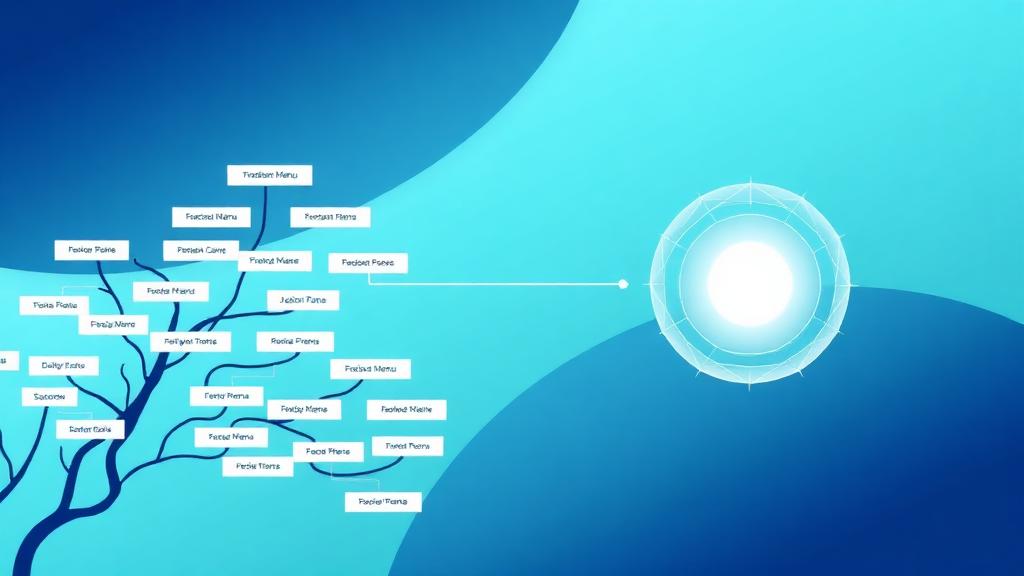
A traditional menu tree works when your call flow is small, stable and mostly informational. It's cheap, predictable and easy to change - but every caller has to listen through the menu.
AI receptionist: better when calls need judgement
An AI receptionist understands what the caller wants in their own words, can ask a clarifying question, and either resolves the call or routes it precisely. It also captures a summary of every conversation.
How to decide
- Under ~100 calls a week with 3-4 routing options - auto-attendant is usually fine
- Frequent 'I just want to speak to someone' complaints - move to AI
- Out-of-hours enquiries you'd like captured - AI receptionist wins
- Regulated industry with strict scripting - AI with guardrails
Next steps
Talk to a specialist about how this applies to your business -book a 30-minute call.
Frequently asked questions
Was this article helpful?